
 Recent advances in space transport, next generation electric power generation such as fusion reactors, super conducting electric power generation equipment for green energy, electric drive for road and rail transport demand materials to operate under subzero temperatures extending all the way down to liquid helium. Material property data in the extreme regimes are still lacking and new materials are being developed to meet stringent property requirements.
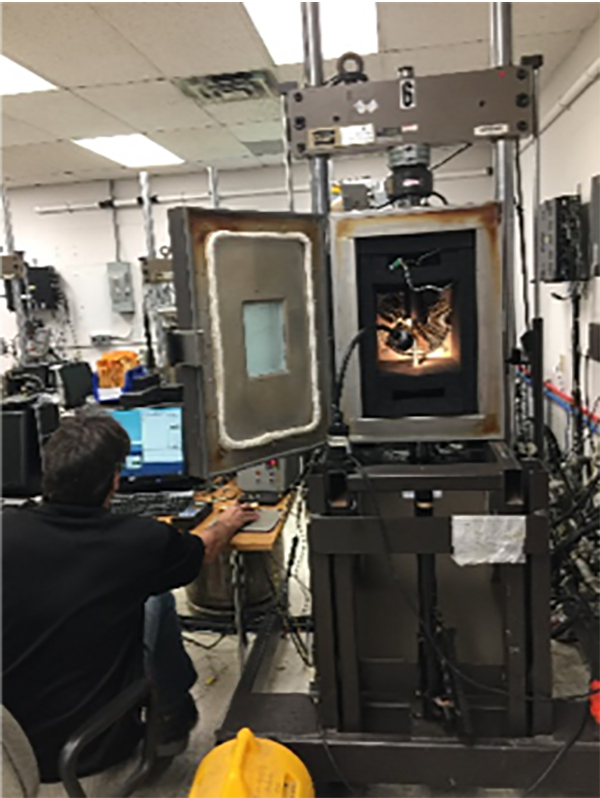
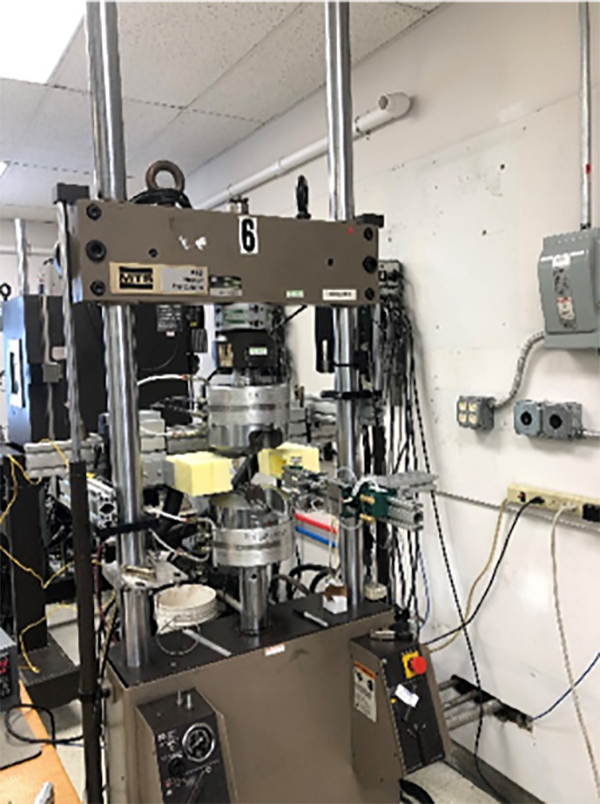
At Touchstone Testing Laboratory we have developed in house capability to test materials and components from room temperature down to liquid helium temperatures. We have several chambers available for cooling the samples from simple phase to condensed phase like liquid cryogens. For room temperature down to -150C we use simple evaporation cooling using nitrogen or another cryogen vapor and or spray. For temperature lower than this, we use immersion type system. We also work with other laboratories which has cryogenic testing capabilities.
We offer the following sample scale tests:
- Tensile test
- Endurance type fatigue (low cycle and high cycle) tests
- Fatigue crack growth
- Fracture toughness tests
- Creep fatigue interactions
- Impact tests
- Physical properties like thermal expansion coefficient
For component scale testing please contact our laboratory for customizing the test equipment and environment.
We have experience in testing
- Metallic materials like steels, light alloys like aluminum, magnesium, etc., refractory alloys like nickel, chromium, Niobium, Tungsten alloys.
- Nonmetallic materials like oxide, carbide, nitride ceramics, cermet, glass and glass ceramics
- Composites and laminates of metals and polymers
Some relevant standards are
- ASTM E1450 – Standard test method for tension testing of structural alloys in liquid helium
- ISO 6892-3 – Metallic materials – Tensile testing – Method of testing at low temperature
- ISO 6892-4 – Metallic materials – Tensile testing – Method of testing in liquid helium